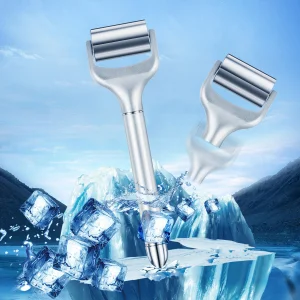
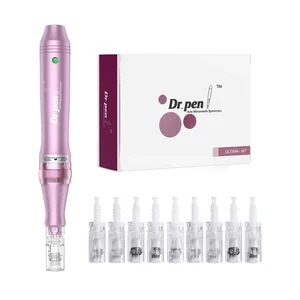
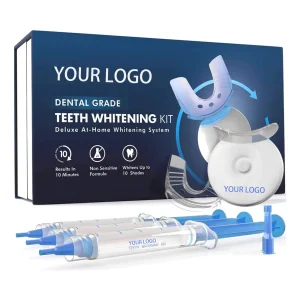
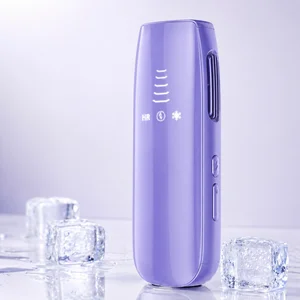
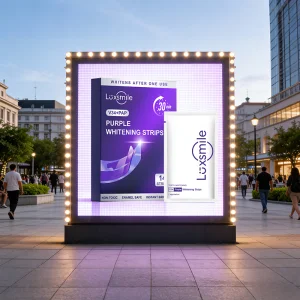
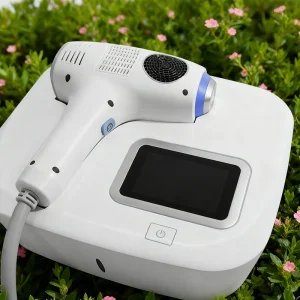
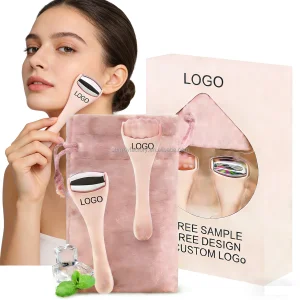
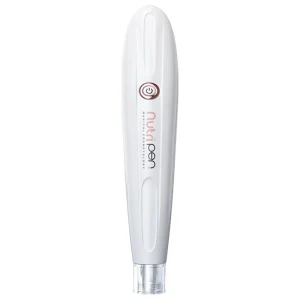
Browse our premier medical-grade and commercial personal care systems configured for global distribution channels. Full customization and compliance guarantees available.
The global skincare and professional wellness sector has witnessed a structural transition. Basic heat-based steam devices have evolved into highly complex thermal misting systems incorporating Nano-Ionic Atomization and multi-tier filtration. Modern skincare science targets the cellular layer, requiring exact droplet sizing to effectively penetrate the stratum corneum without damaging the delicate skin barrier.
Global cosmetic device procurement agents prioritize devices that deliver high information gain—those integrating safety, precision engineering, and specialized clinical features. Whether developed for professional medical spas or home-use consumer regimens, contemporary facial steamers are designed to prepare tissue layers for active serums. Deep pore cleansing, cellular-level moisturization, and blood flow stimulation are achieved by combining advanced PTC ceramic heating systems with high-frequency ultrasonic transducers.
As users look for deeper integration with aromatherapy and ozone sterilization, manufacturers must balance technical reliability with smart consumer-facing features. A clear understanding of these engineering challenges separates top-tier supply partners from basic assembly lines. By sourcing from manufacturers that control the complete product cycle, aesthetic brands can guarantee consistent product quality, stable heating controls, and durability.
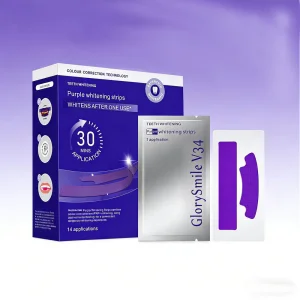
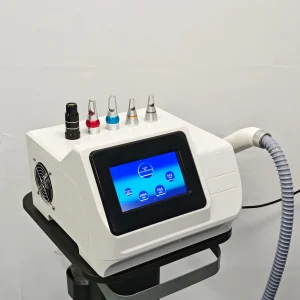
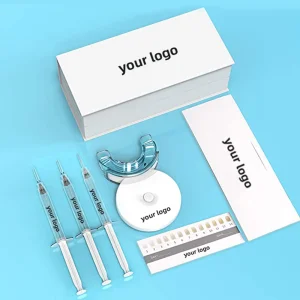
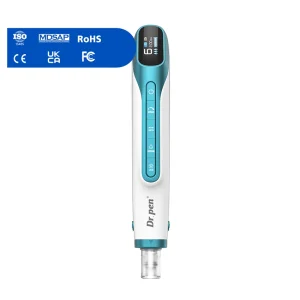
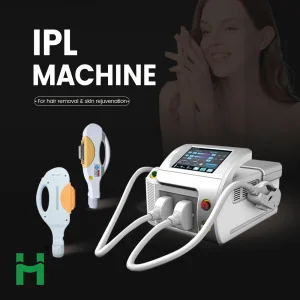
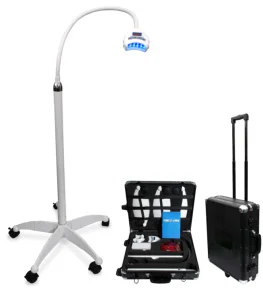
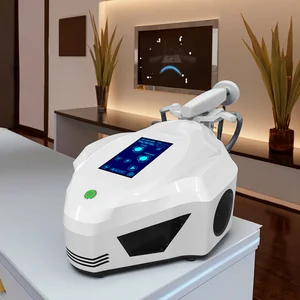
Since its establishment in 2014, Beijing Durova Beauty Co., Ltd. has grown into a leading manufacturer and global supplier specializing in professional beauty and aesthetic systems. Operating from Beijing, the enterprise leverages strong local industrial networks and research institutions to supply customers in North America, Europe, and Asia. Our product range includes teeth whitening devices, advanced microneedling dermapens, laser hair removal platforms, portable tattoo removal lasers, and wellness equipment.
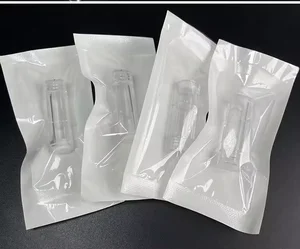
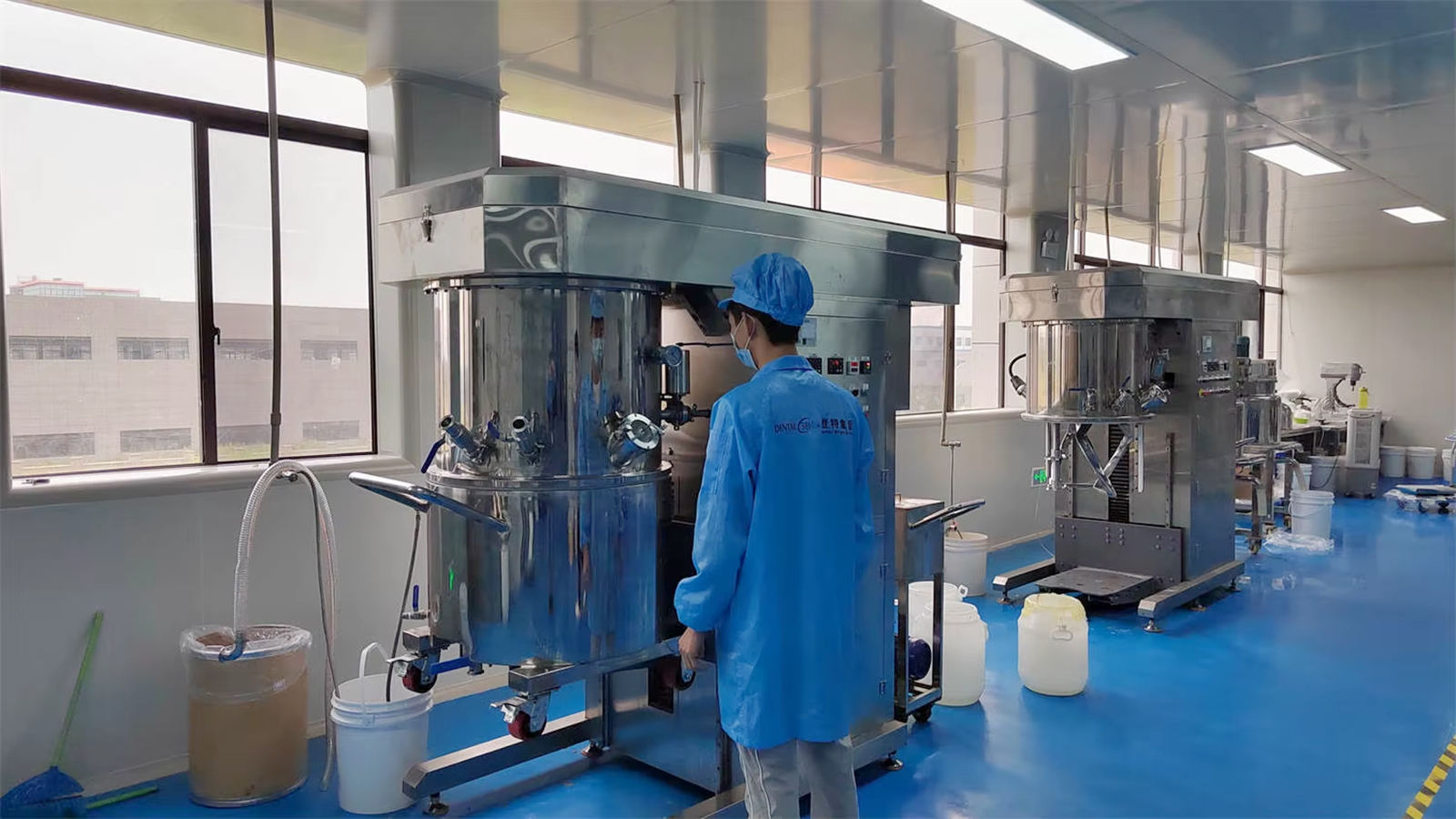
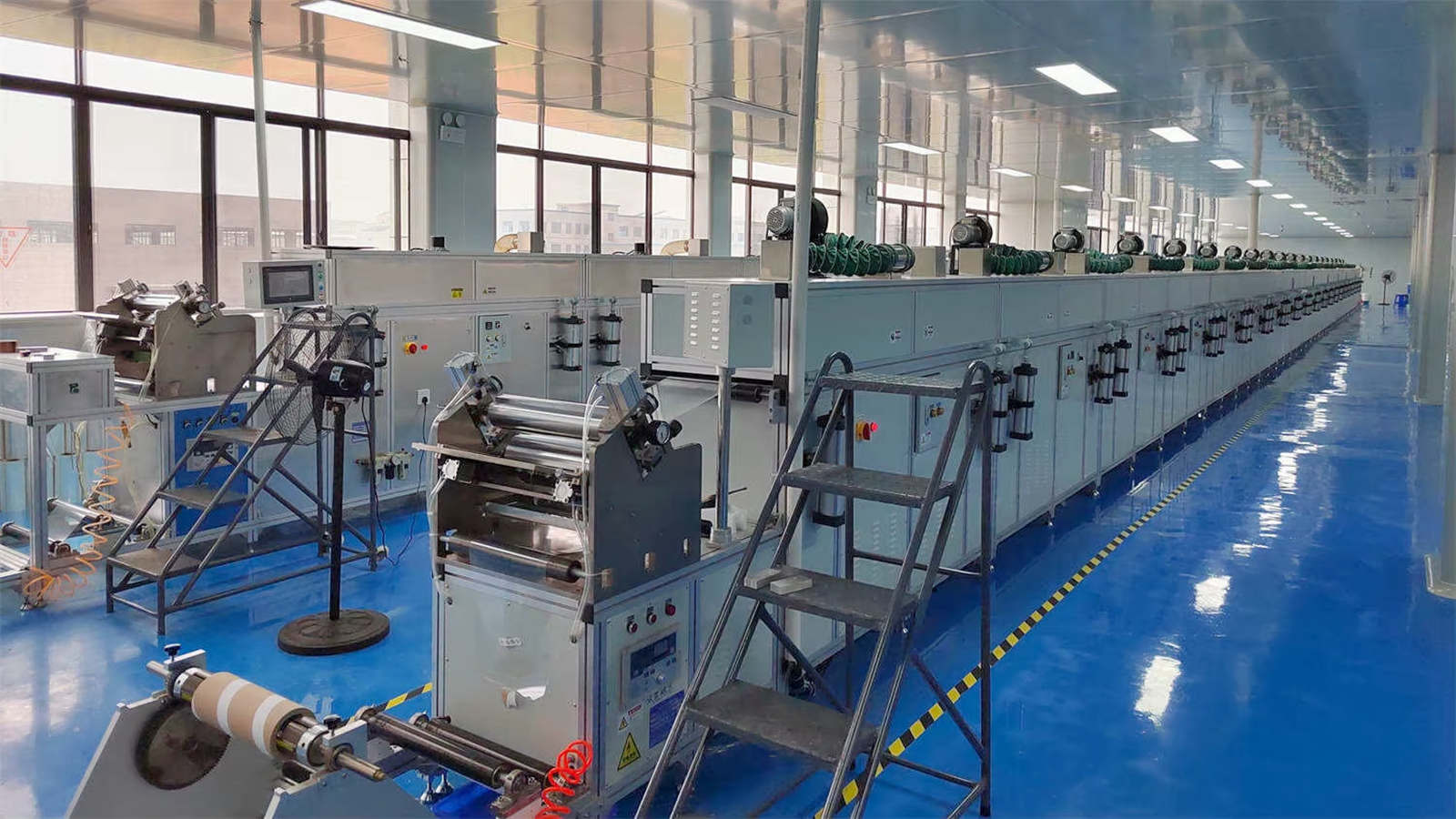
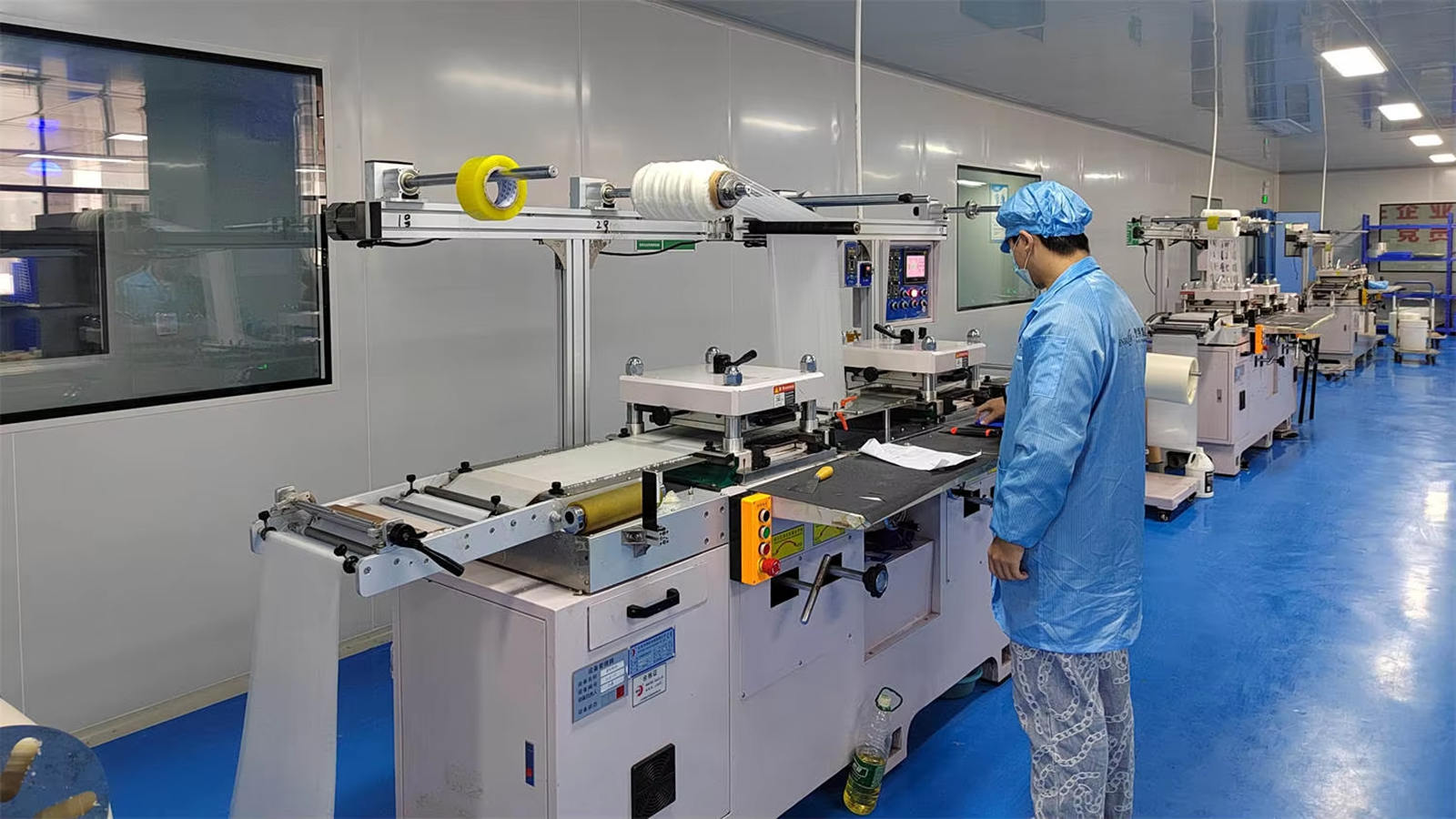
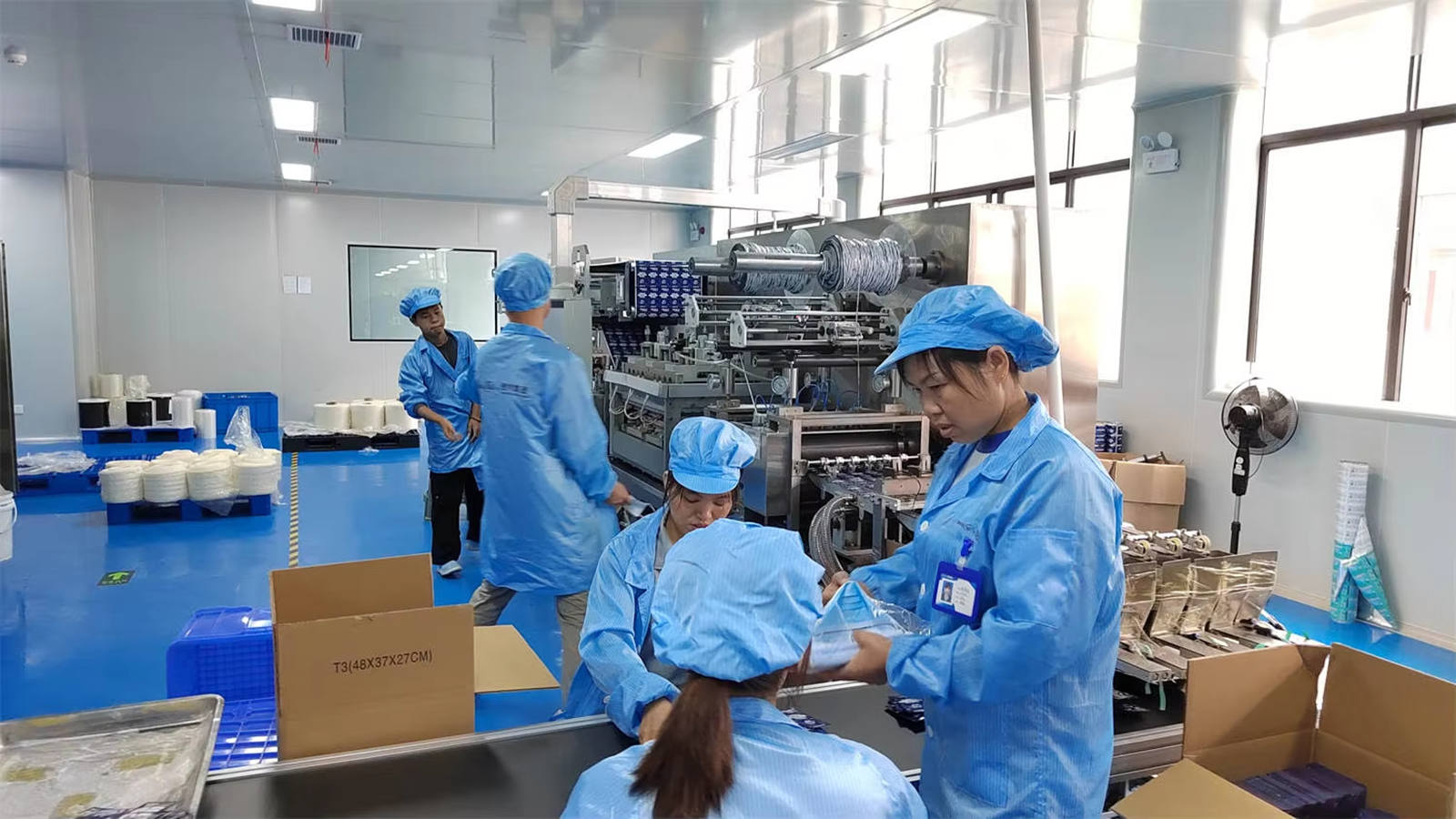
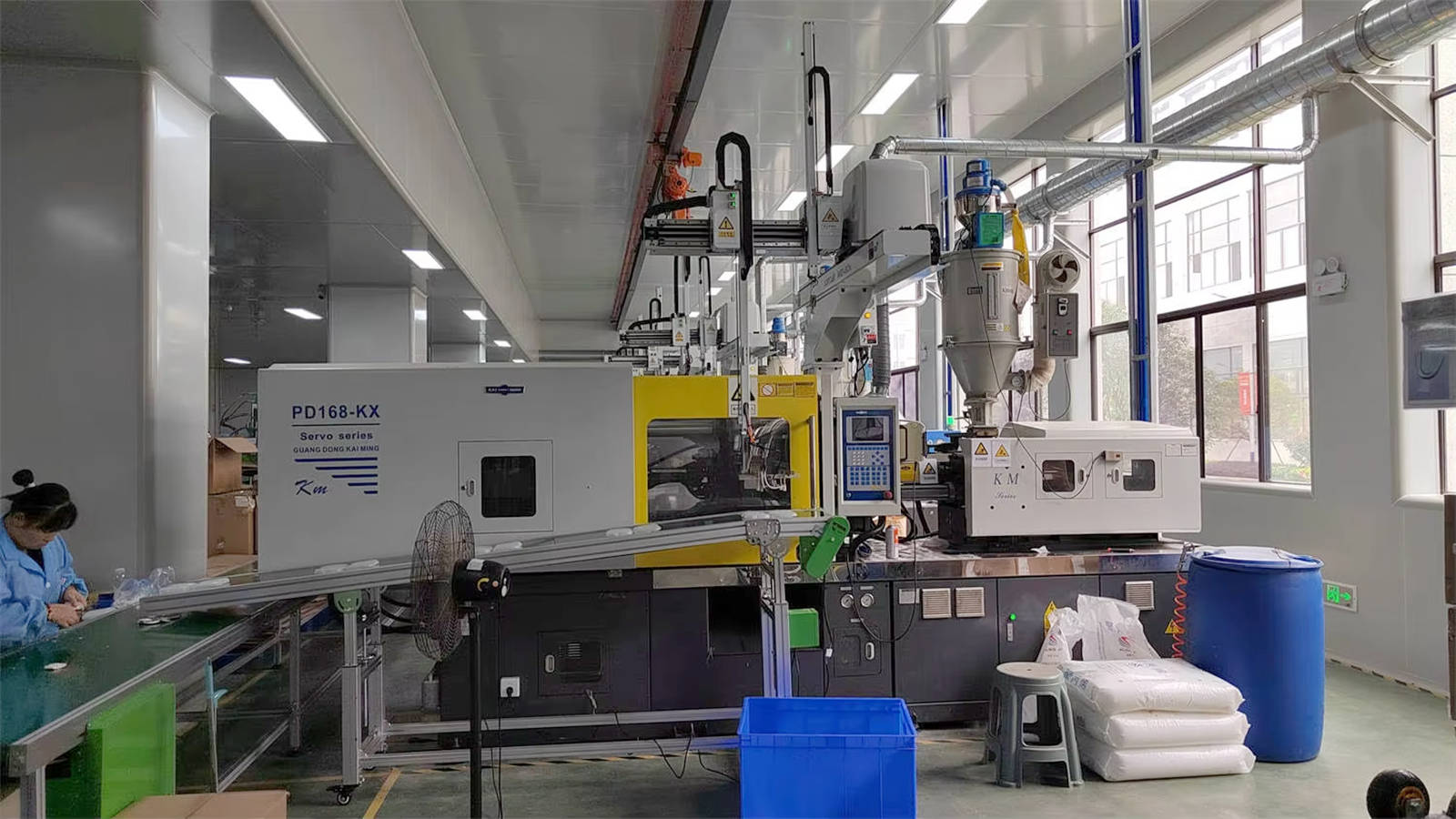
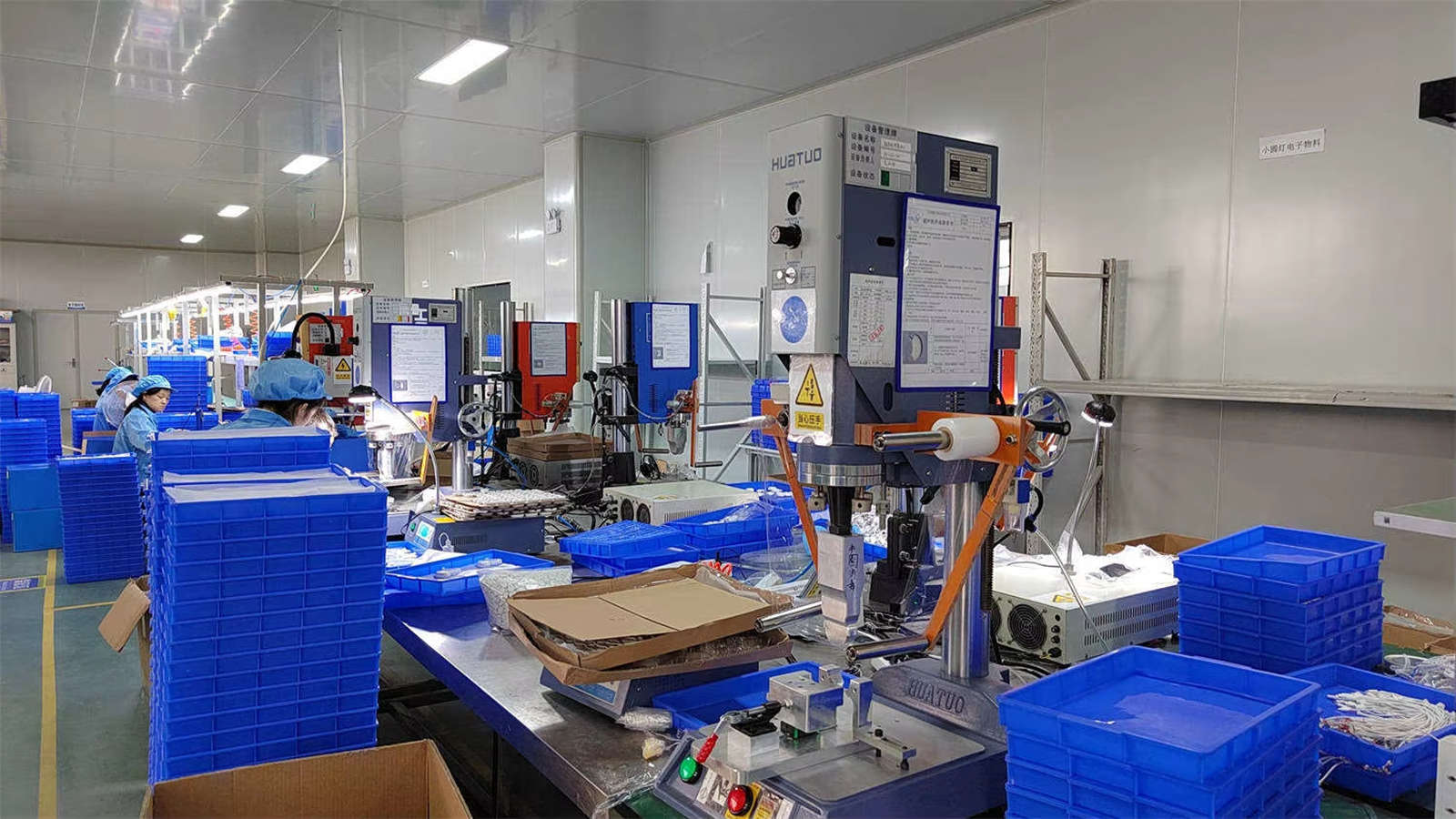
Our modern manufacturing facilities operate under strict quality management protocols to ensure each system meets high performance standards. We leverage a structured layout of technical operations—ranging from specialized molding and adhesive synthesis to high-precision die-cutting and clean-room packaging—ensuring full process integrity. This vertical integration allows us to offer extensive OEM/ODM customization services to match client branding requirements.
Each phase of production is monitored by a specialized QA team to ensure mechanical and electronic reliability before packaging and shipping.
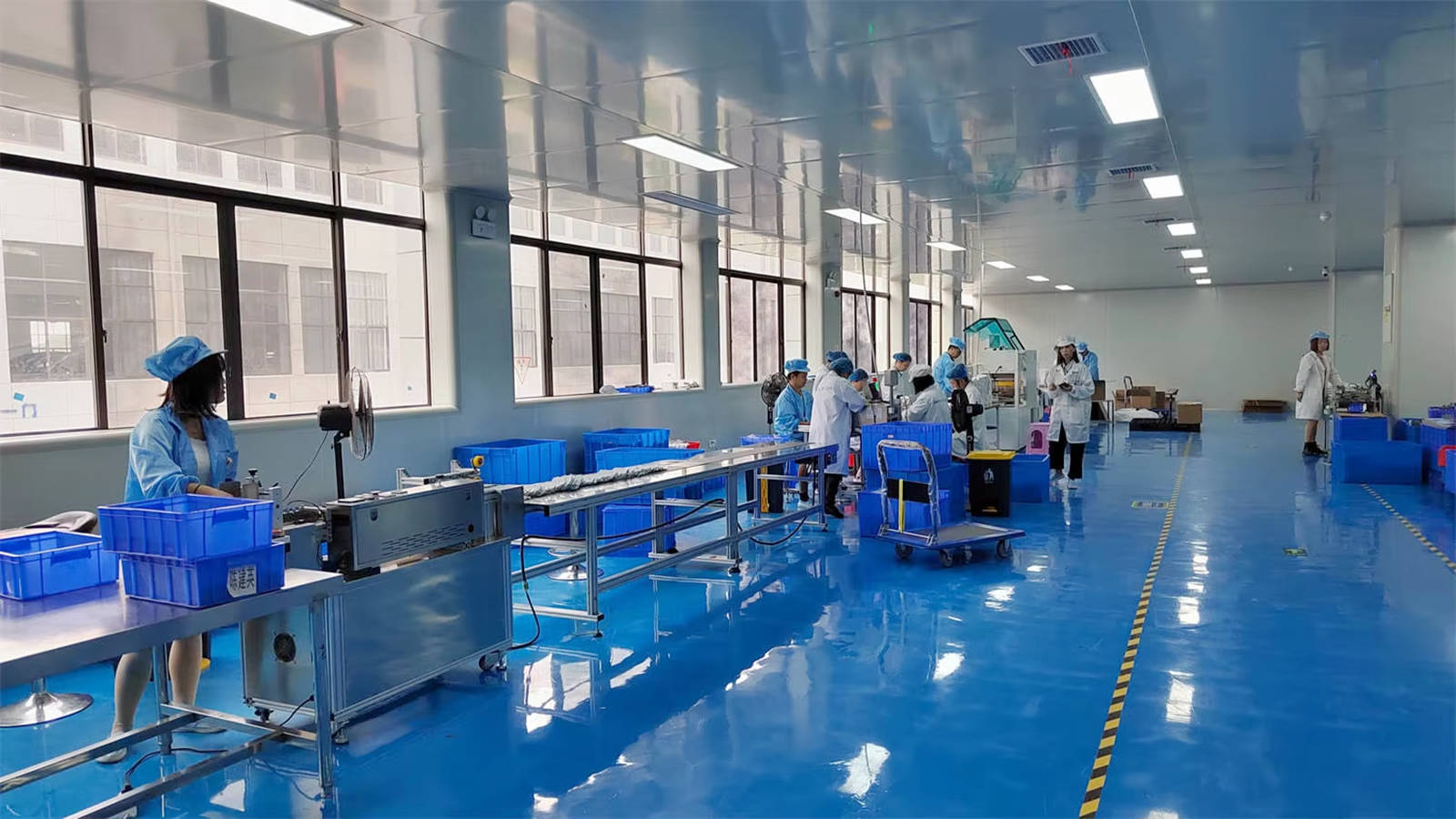
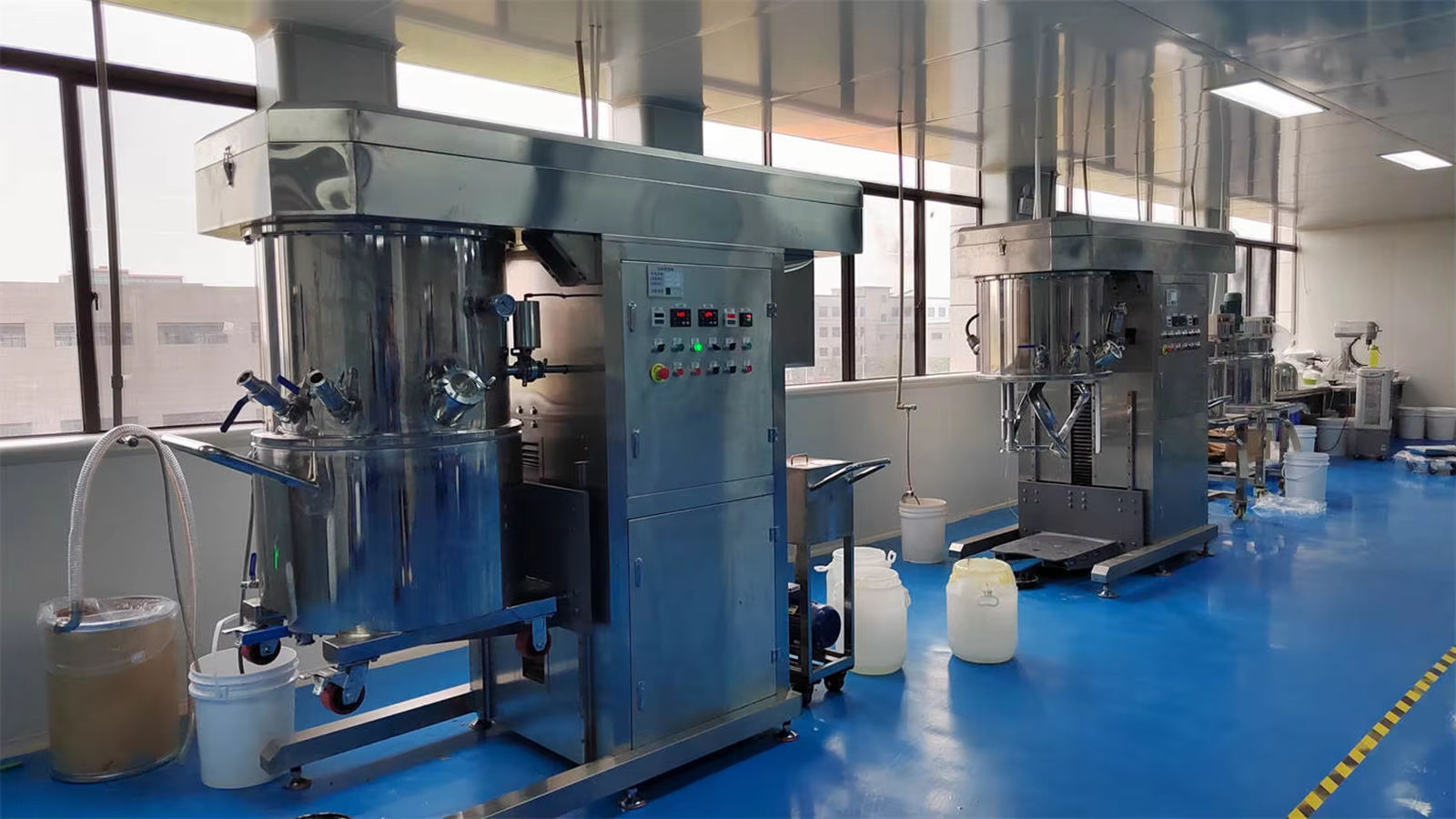
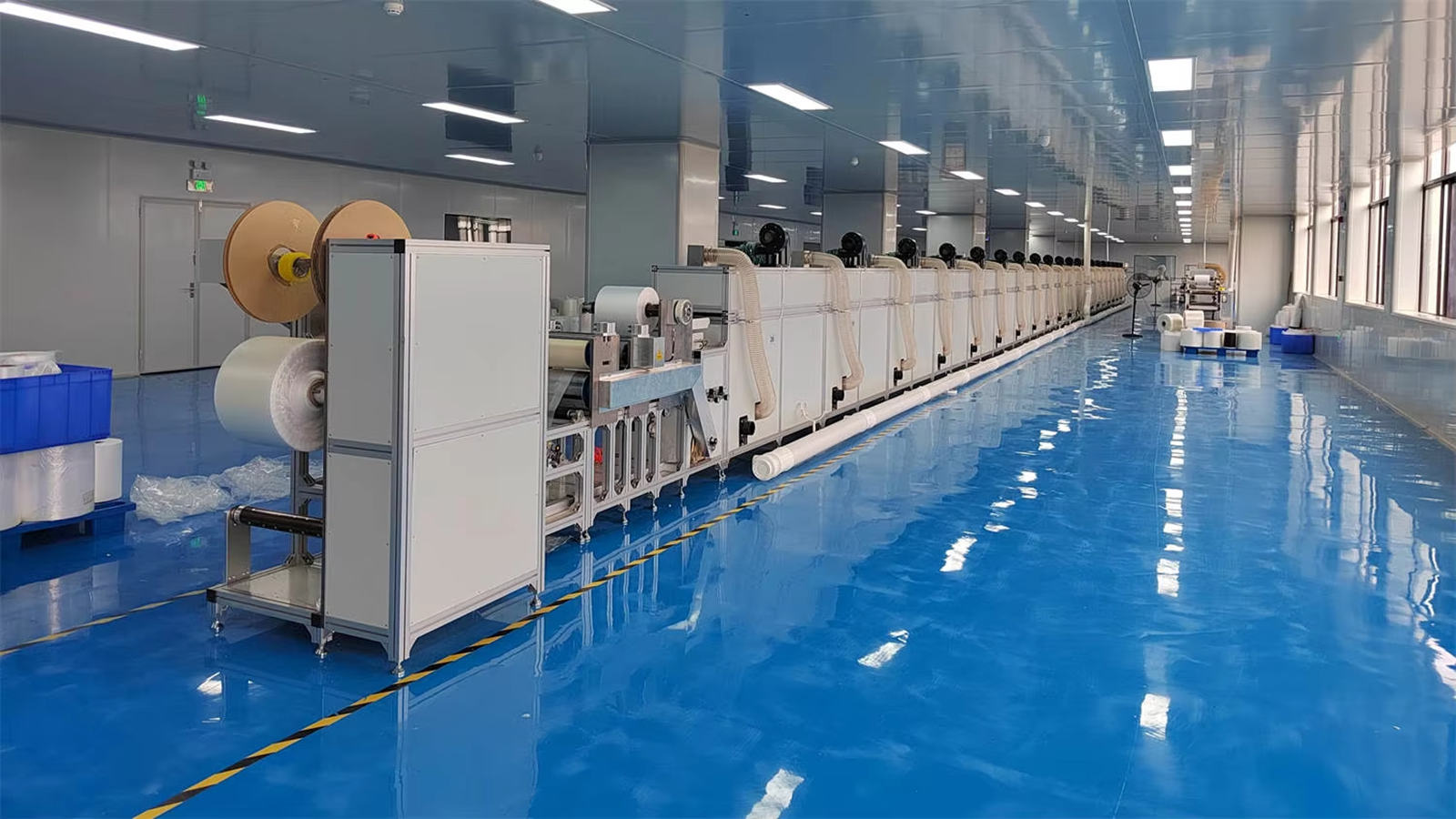
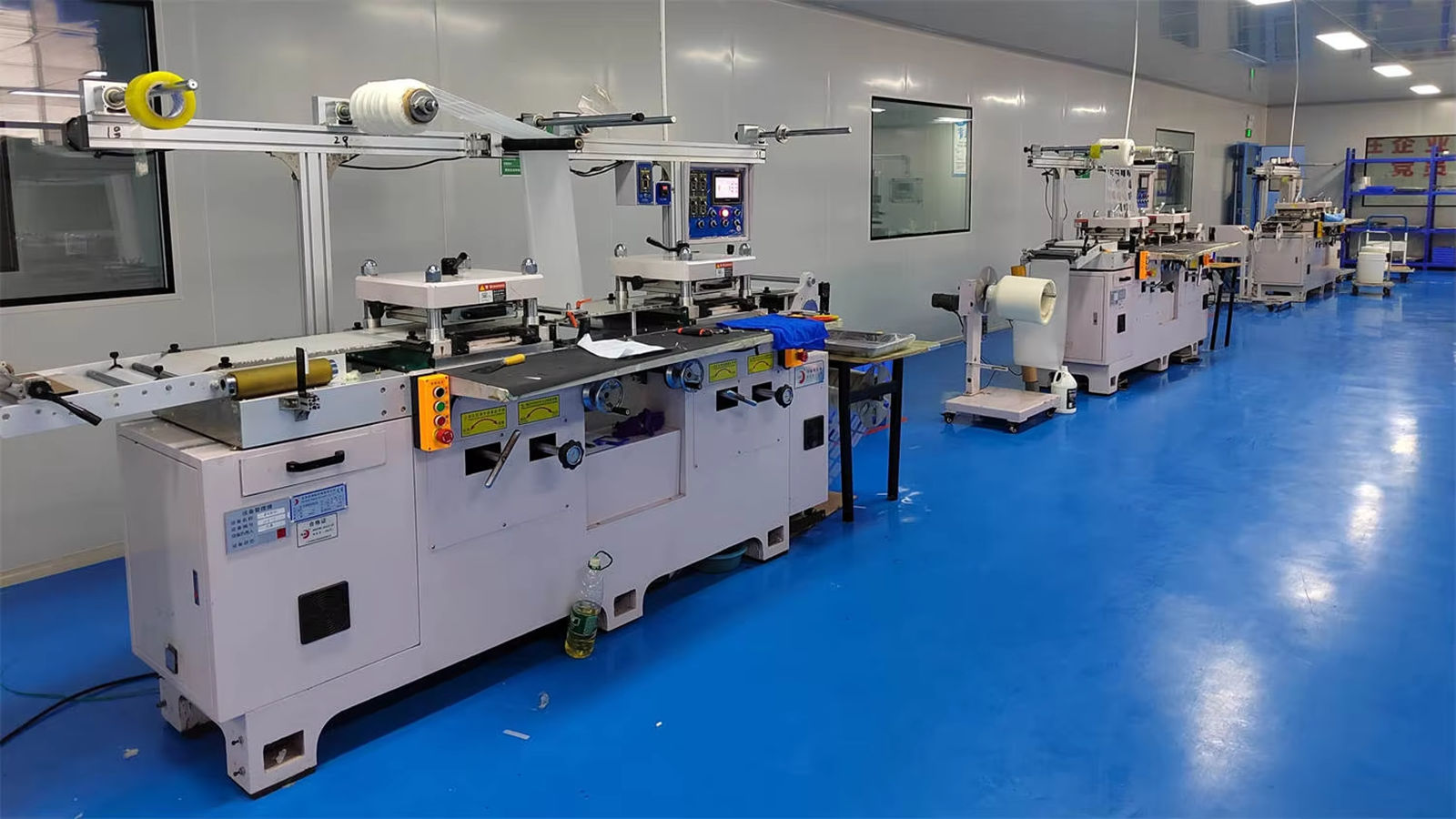
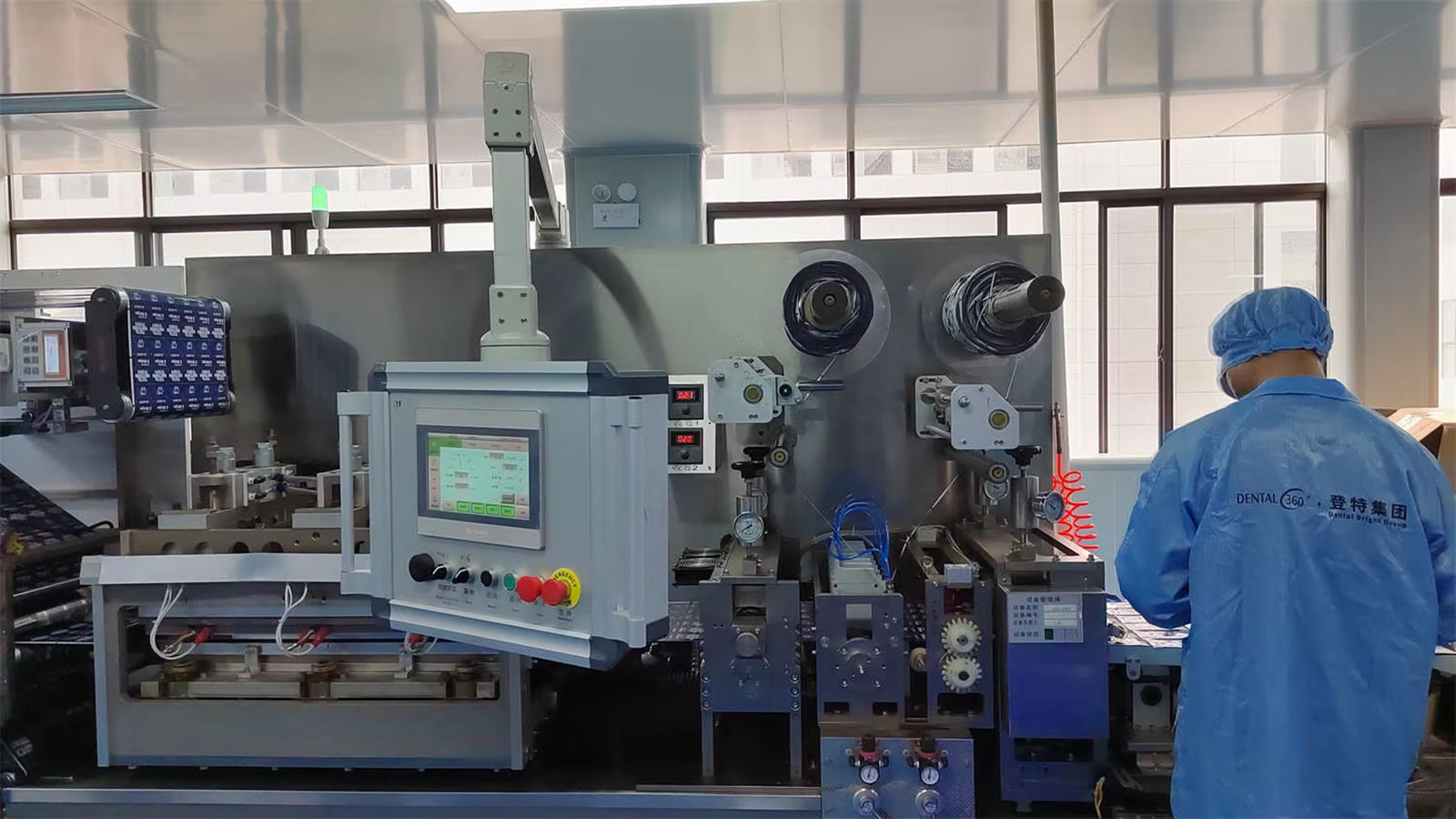
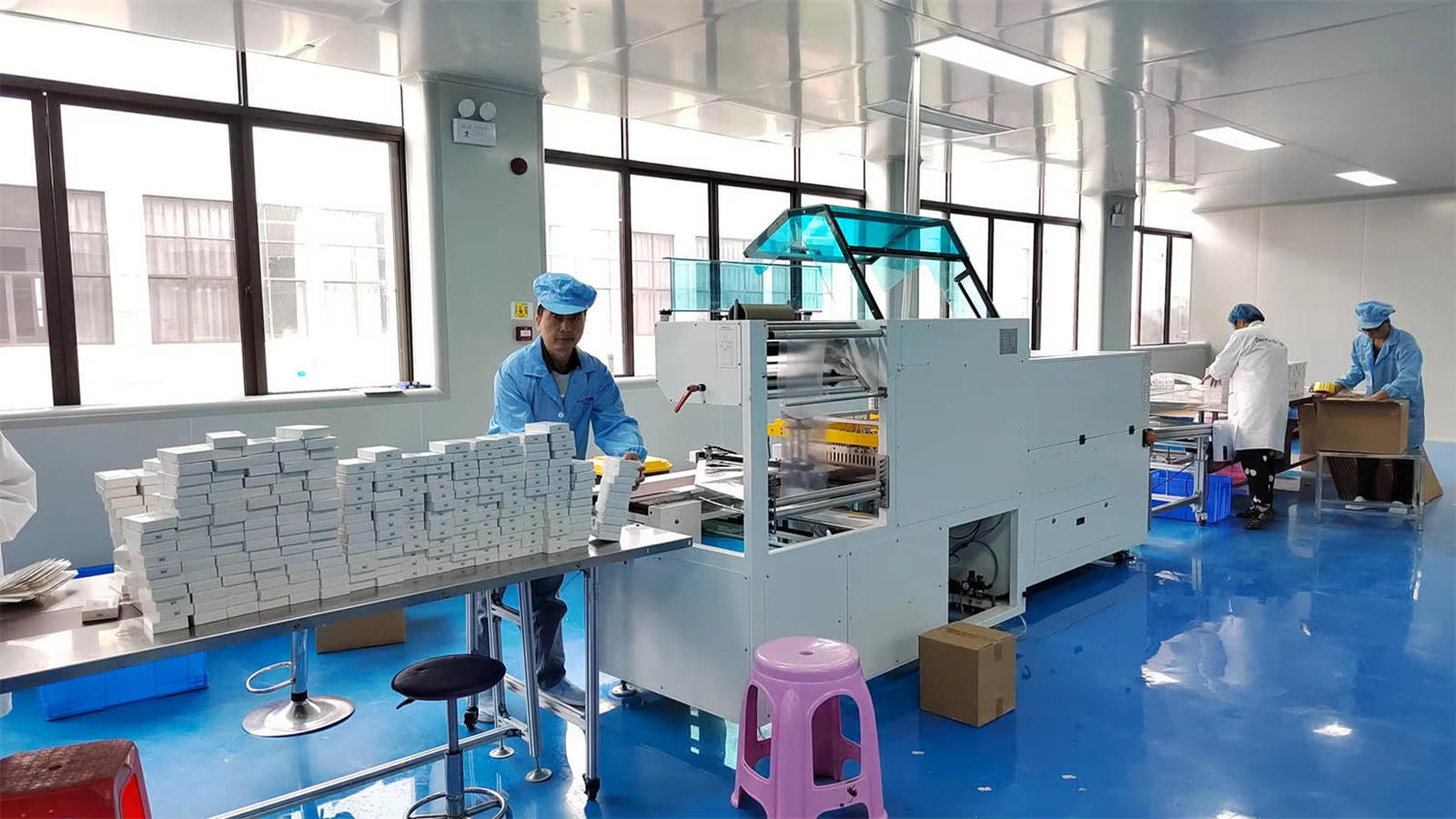
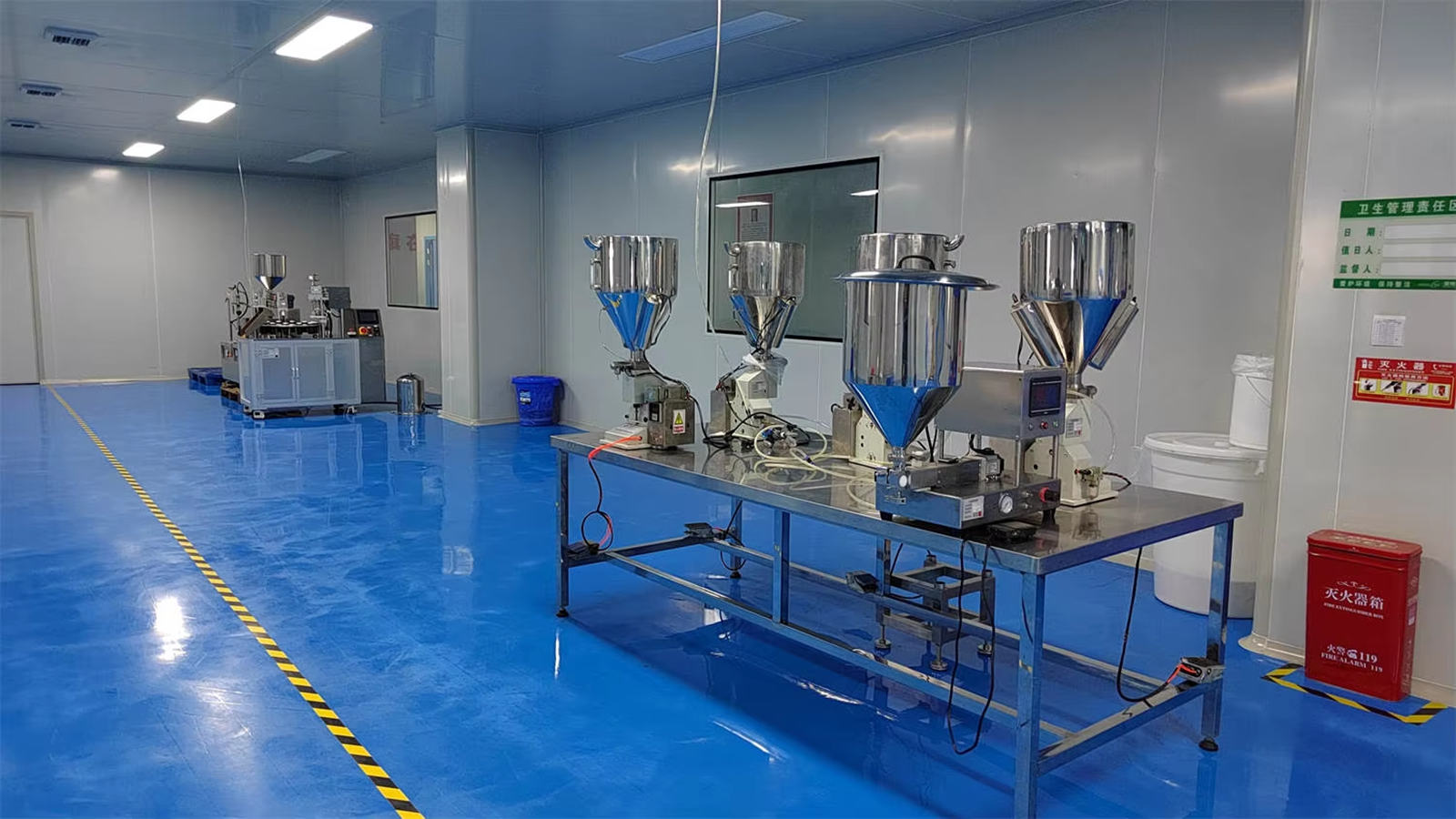
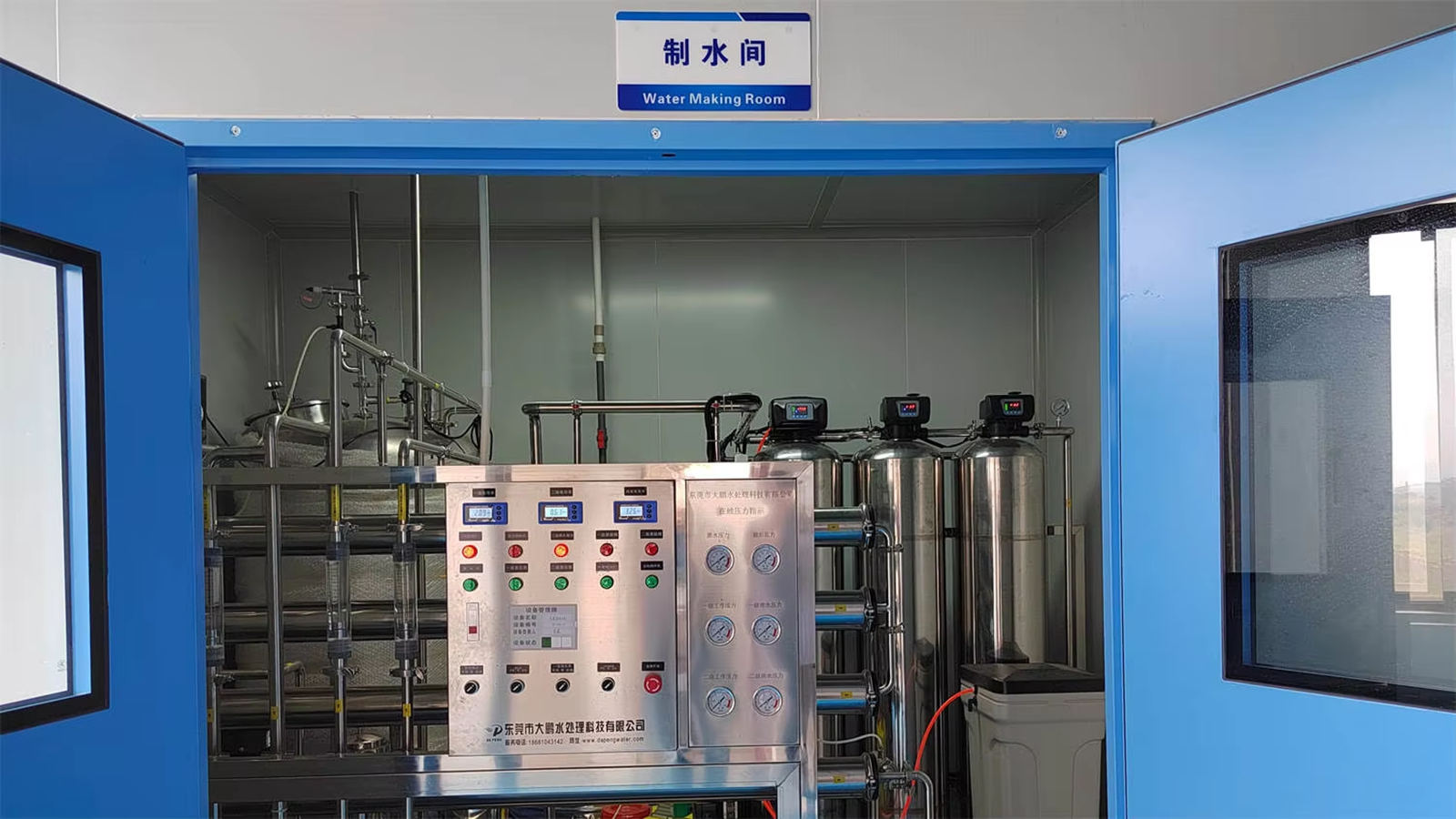
Global procurement directors operate under complex cost, regulatory, and quality requirements. Selecting a partner for facial steamers and personal care systems requires balancing unit economics with long-term reliability. Below are the key pillars for evaluating a manufacturing partner:
Ensuring certifications like CE, RoHS, FCC, and FDA compliance to prevent customs delays and ensure market access.
Ability to modify tooling, custom-brand outer casings, localize user interfaces, and adjust voltage configurations.
Direct factory access that eliminates middlemen, ensuring predictable lead times, raw material sourcing, and stable pricing.
For distributors and retail brands, managing the supply chain extends beyond unit costs. Total Cost of Ownership (TCO) includes warranty return rates, replacement parts availability, and engineering support. Partnering with factories that control their injection molding, ultrasonic welding, and packing processes reduces defect rates, helping build brand equity and customer trust.
Operating in international markets requires complying with local regulations and user requirements. A professional beauty device must be tailored to the target market's regulatory frameworks, electrical standards, and packaging requirements.
Proper configurations for standard plugs (US 110V/60Hz, EU 220V/50Hz, UK, and AU formats) to ensure electrical compatibility and user safety.
Mandatory compliance certificates including CE, RoHS, FCC, and regional safety approvals to verify materials and construction.
Translation of user manuals, safety warnings, and control interfaces into major target languages (English, German, Spanish, French, etc.).
Adherence to environmental packaging mandates, including the German VerpackG or French EPR laws, to support sustainable retail.
Additionally, regional preferences guide localized product design. For example, East Asian consumers often prefer compact designs with fine, gentle mists, while Western markets may favor higher volume output and larger capacity reservoirs. Experienced manufacturers adapt to these patterns during the OEM phase to maximize market potential.
Facial steamers are used in a variety of beauty and wellness environments, each with specific operating demands:
By designing systems to handle continuous daily operation, factories ensure their commercial units perform reliably in busy spa environments. Features like auto-shutoff sensors, boil-dry protection, and easy-to-clean water tanks help minimize maintenance downtime and protect the equipment.
The future of aesthetic skincare centers on personalization and smart technology. Next-generation systems are incorporating smart features to deliver customized hydration treatments:
Built-in sensors measure skin hydration levels in real time and automatically adjust steam output and temperature settings.
Modular chambers allow users to easily add botanical extracts and essential oils without clogging the internal heating elements.
Built-in UV-C LEDs sterilize the water source before atomization to ensure clean, hygienic steam delivery.
As these technologies evolve, Beijing Durova Beauty Co., Ltd. continues to focus on integrating innovative features into our manufacturing processes, helping our clients stay competitive in a changing market.
Common questions regarding ordering, technical support, and customization services.
For custom OEM orders, production lead times generally range between 25 to 35 business days. This timeframe covers shell modification, custom silk-screen logo printing, localized packaging fabrication, and final quality control checks. Standard products can be processed and shipped faster depending on material availability.
Our systems feature high-temperature resistant internal pathways and can be equipped with UV-C sterilization modules. This ensures the water is sanitized before it reaches the ultrasonic atomization plate, preventing bacterial growth and ensuring clean steam output.
Most of our systems carry CE, RoHS, and FCC marks. We work closely with testing agencies like SGS and Intertek to help our clients obtain any additional local certifications required for their specific target markets.
Yes. We customize electrical configurations for different regions, including US (110V/60Hz), EU (220V/50Hz), UK (230V), and AU configurations. The internal transformers and heating components are adjusted to ensure stable performance and local electrical safety compliance.
We inspect materials at every step of production. Our process includes Incoming Quality Control (IQC) for components, In-Process Quality Control (IPQC) during assembly, and Outgoing Quality Control (OQC) including performance testing, high-pressure checks, and drop tests before shipping.
View additional clinical systems and home-use equipment. Contact our sales department to discuss custom design options, bulk pricing structures, and shipping terms.
 Durova Beauty